We know the High Desert
The Cajon Pass gauntlet, the 395’s passing lanes, the Bear Valley red-light runners — your case gets argued by someone who drives these roads, not a billboard firm 90 miles away.
Victorville · Serving the entire High Desert
Hurt on the I-15, Bear Valley Road, or the 395? Get a local attorney on your side before you talk to the insurance company. Free consultation. No fees unless we win.
Available 24/7 · Se habla español
Tell us what happened. An attorney reviews every submission — usually within the hour.
The Cajon Pass gauntlet, the 395’s passing lanes, the Bear Valley red-light runners — your case gets argued by someone who drives these roads, not a billboard firm 90 miles away.
There’s no trauma center up the hill. Serious cases get stabilized at Victor Valley Global or Desert Valley, then transferred down the Pass. Two hospital systems, transfer bills, follow-up care far from home — we build claims around that reality.
Their adjuster opened your file the day of the crash. Every day you wait is a day they use. One call puts an attorney between you and their playbook — for free.
Contingency only: no retainers, no hourly bills, no fee at all unless money is recovered for you. The consultation costs nothing either. Call (760) 493-6108.
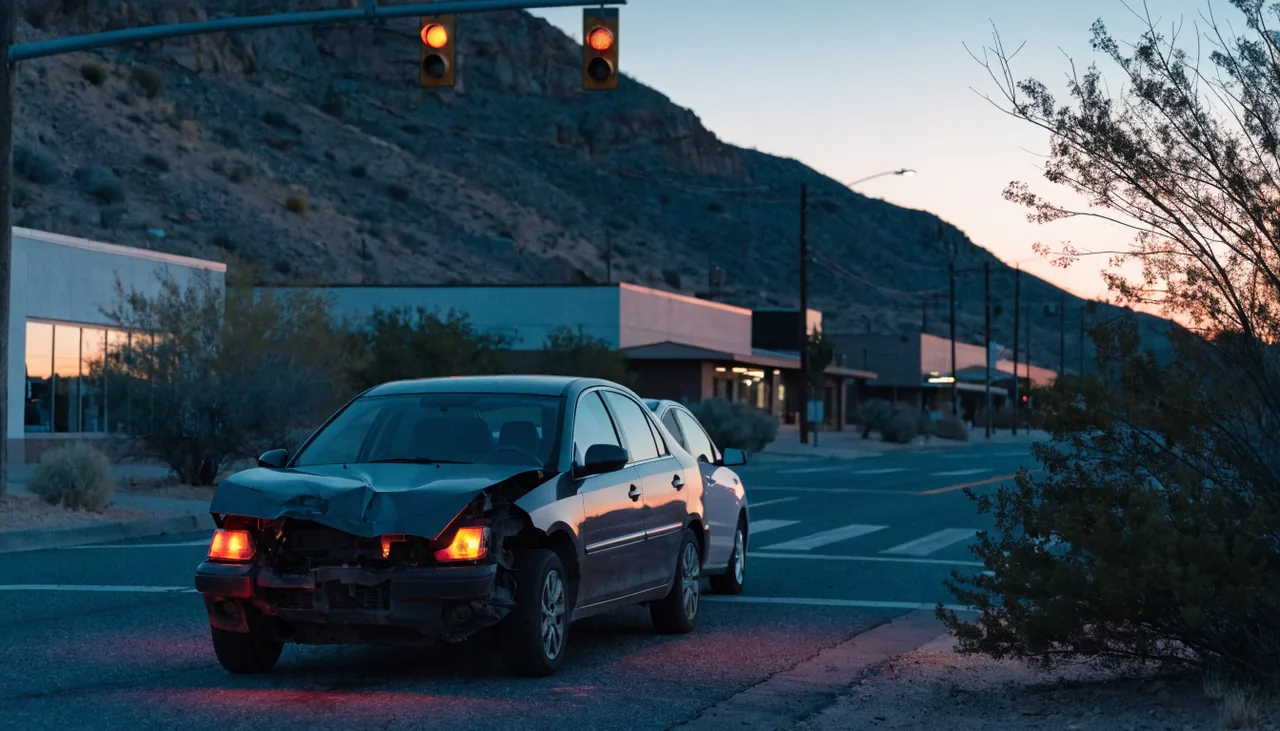 Car AccidentsRear-end, T-bone, and freeway collisions across the High Desert
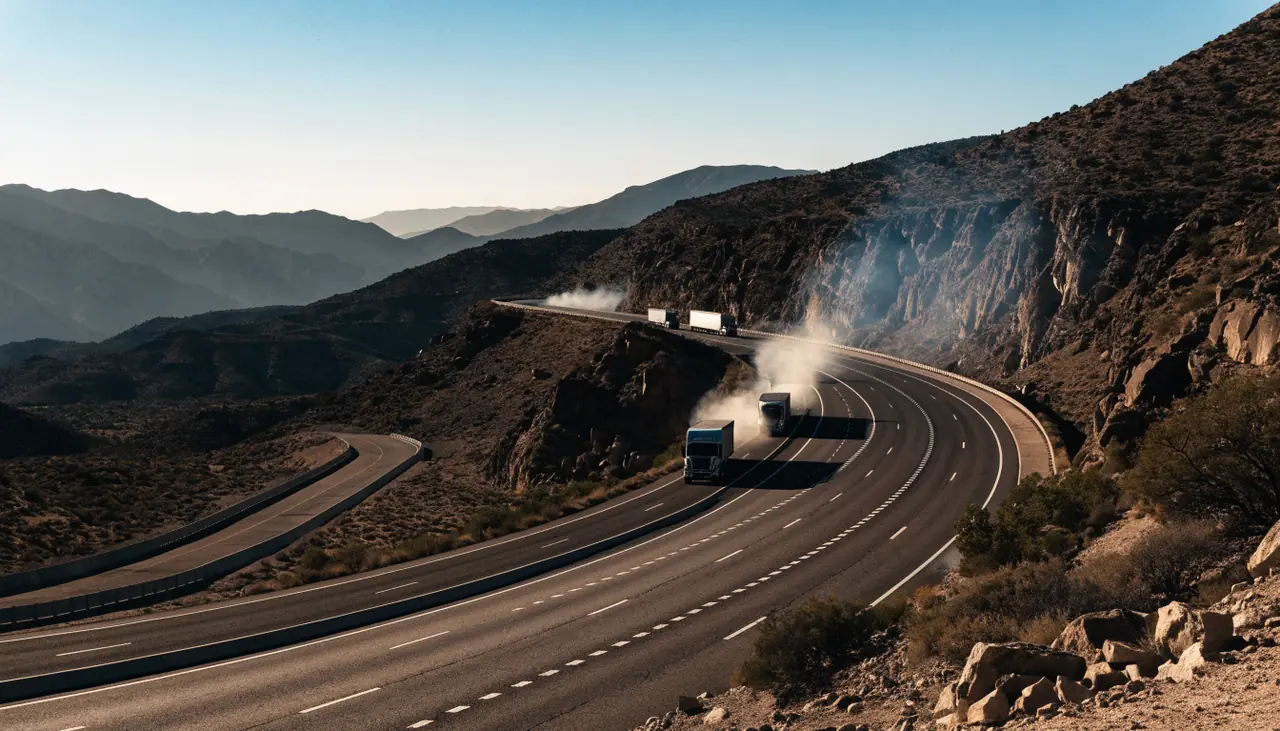 Truck AccidentsCajon Pass, I-15, and SCLA freight-corridor 18-wheeler crashes
 Motorcycle AccidentsRiders down in the Pass and on desert roads — bias-proof cases
 Rideshare AccidentsUber & Lyft crashes — passengers, drivers, and everyone they hit
 Pedestrian & Bicycle AccidentsStruck crossing Palmdale Road, the 395, or an Old Town street
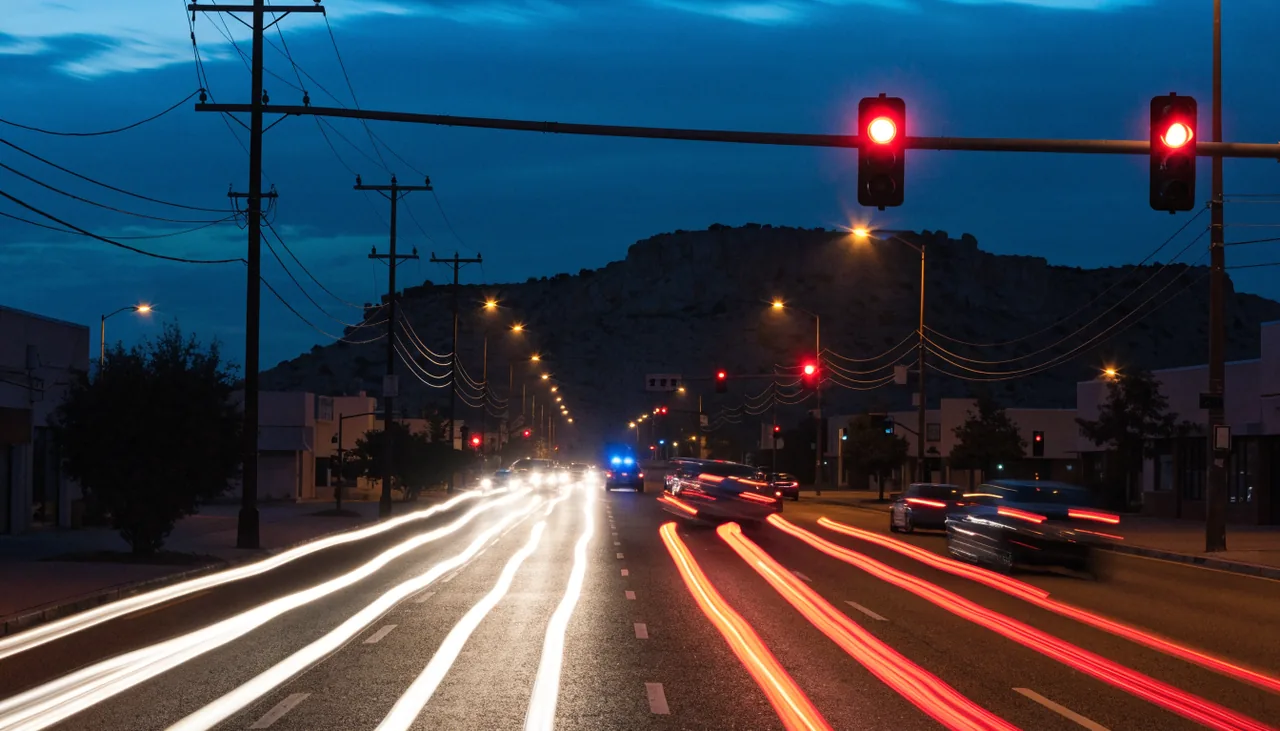 Drunk & Distracted DrivingImpaired and phone-distracted drivers — including punitive claims
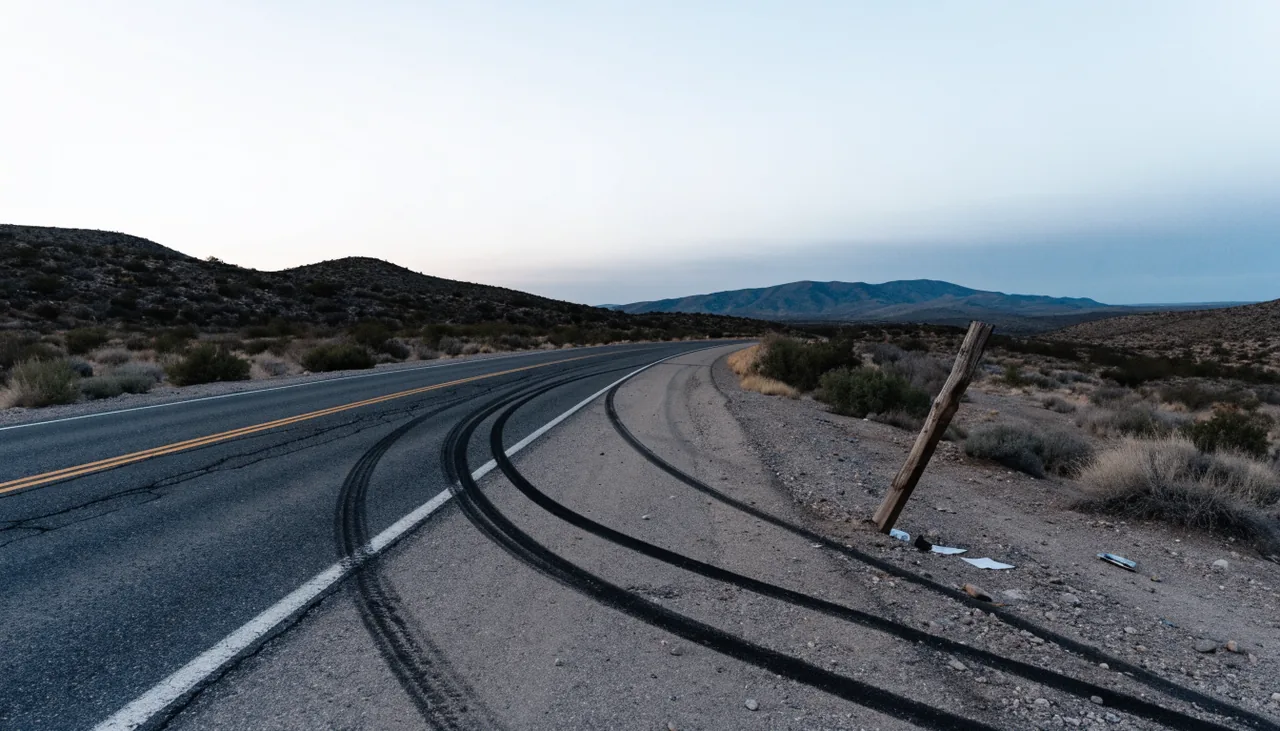 Hit & Run / UninsuredThe driver fled or carried nothing — your own UM/UIM steps in
 Catastrophic Injury & Wrongful DeathAirlift cases, brain and spinal injuries, and losses no check can fix
This platform connects Victorville crash victims with an experienced California car accident attorney who takes High Desert cases personally — someone who knows that a wreck at Bear Valley and the I-15 reads differently than one on a downtown Los Angeles street, and that a client in Baldy Mesa may be managing appointments 40 miles from home.
Every consultation is free and confidential. You’ll get straight answers about fault, deadlines, and what your case may be worth — in plain English or Spanish — and you’ll never be pushed to sign anything. If we can’t help, we’ll tell you that too. Call (760) 493-6108 any hour.
Call (760) 493-6108Reviews reflect the experience of clients connected through this platform.
Got T-boned at Palmdale and Amargosa and the other insurance called me the next morning. I said one sentence: talk to my attorney. Best decision I made all year.
My husband was airlifted to Loma Linda after a wreck in the Pass. They handled the helicopter bill, both hospitals, everything. We never saw a single lien letter.
I figured my fender-bender on Bear Valley wasn’t worth a lawyer. The free consult proved me wrong — the neck injury showed up two weeks later and they’d already preserved everything.
Straight shooters. Told me on the first call what was realistic and what wasn’t. The settlement came in above what they estimated.
A drunk driver totaled my work truck on the 395. No insurance, of course. They found coverage through my own policy I didn’t even know I had.
They answered at 11pm on a Sunday. My daughter’s crash was that Friday and the adjuster was already pressuring her. By Monday it was handled.
Commute down the hill every day for work. When the pileup finally caught me, they knew exactly how Cajon Pass cases go — chain reactions, multiple insurers, all of it.
Never felt like a case number. They explained every step, every document, and the fee came out exactly as promised — nothing until the check came.
Motorcycle down near Cleghorn. Insurance tried the usual — bikers are reckless. My attorney buried that argument with the CHP report and a reconstruction.
From the first call to the settlement check: five months, zero stress on my end, and they took care of the medical liens I was terrified of.
The insurance company has an adjuster. Get yourself an attorney. Free case review, any hour: (760) 493-6108
Call (760) 493-6108Victorville is the capital of the High Desert — 134,810 people at the 2020 census, spread across mesa and valley where the I-15, State Route 18, and US-395 meet. Everything about a car accident here is shaped by that geography: desert distances driven at desert speeds, a freeway that funnels the entire Las Vegas corridor through town, and retail arterials like Bear Valley Road that stack local traffic on top of it.
A Victorville car accident attorney has to know the local mechanics of a claim: that a crash on a city street gets its report from the Victorville Police Department — a San Bernardino County Sheriff contract station on Amargosa Road — while a wreck on the I-15, the 395, or in Spring Valley Lake belongs to the CHP’s Victorville Area office. Request the wrong report from the wrong agency and you lose weeks.
It also has to know the medical map. Neither Victor Valley Global Medical Center nor Desert Valley Hospital is a trauma center — so the serious cases get stabilized up here and then transferred down the hill, often by helicopter, to the county trauma center in Colton or to Loma Linda. That means two sets of hospital records, transport bills that can pass $50,000, and follow-up care 40 miles from your driveway. Your claim has to account for every mile of it.
The economics of the Victor Valley shape the docket too. The Southern California Logistics Airport — 2,200 acres of the former George Air Force Base — anchors a growing freight economy, which means more trucks on the 15, the 395, and Air Expressway every year. Bear Valley Road carries the retail load for a quarter-million High Desert residents; Palmdale Road funnels the west side through a handful of signals. More volume, same pavement: the crash count follows, and the California Office of Traffic Safety rankings for cities like Victorville tell that story in numbers.
What that means for you is simple: the driver who hit you was probably local, their insurer definitely is not, and the file that wins is the one built with local facts — the right report from the right agency, scene photos with the right sun angle, treatment records that a San Bernardino County jury would find complete. That file takes about a week to start well and months to rescue late.
This site exists to get you answers before the insurance company gets you on the phone. Read the claim guide below, find your neighborhood or your crash type, and when you’re ready — the consultation is free, in English or Spanish, at (760) 493-6108. No fees unless we win.
Everything below is specific to Victorville and the High Desert: which agency writes your report, where the crashes actually happen, what the deadlines are, and how the money side really works. Sources are linked at the end — verify everything.
The first day decides more than any other. Get everyone safe and call 911 — on a city street that brings Victorville Police (the Sheriff’s contract station); on the I-15 or the 395 it brings the CHP. Photograph everything before vehicles move if it’s safe: positions, damage, skid marks, the signal, the sun angle. Desert light is harsh and headlight-blinding at dawn and dusk on Bear Valley Road — a photo taken at the scene captures what words can’t.
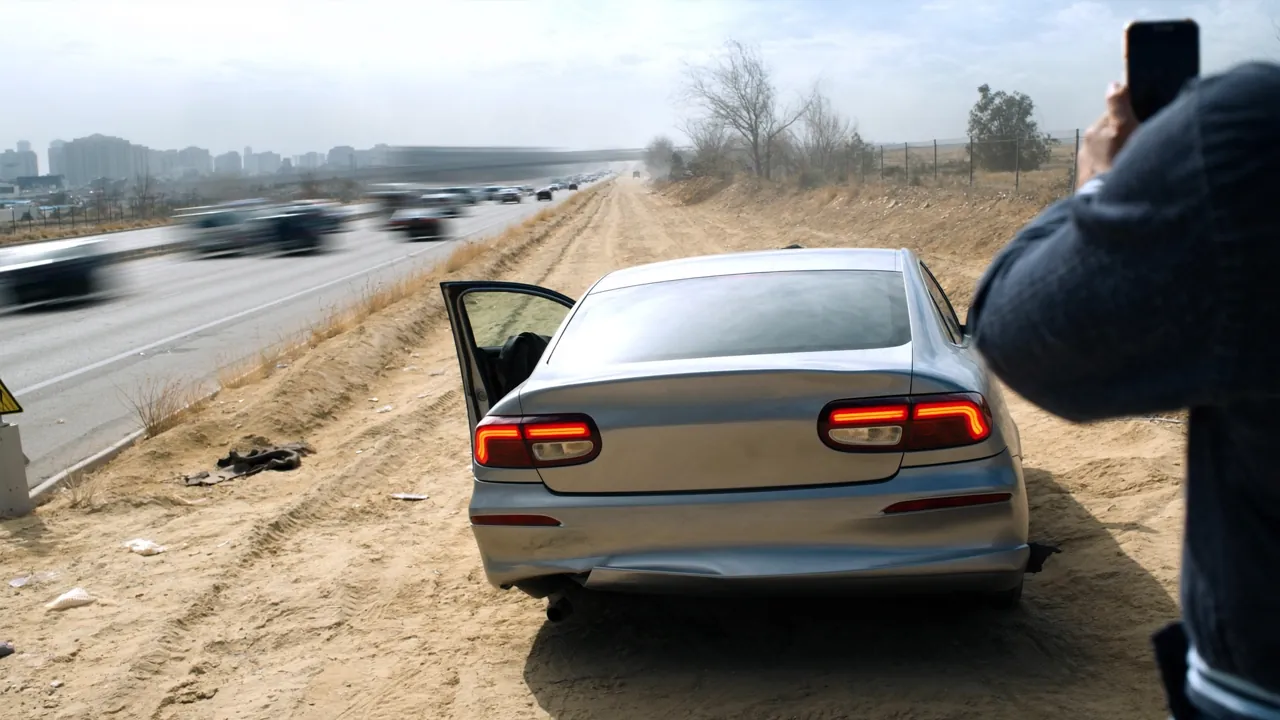
Get names, phone numbers, insurance cards, and plates. Ask witnesses to text you their name on the spot — people scatter fast when the wind picks up. Then see a doctor the same day, even if you feel fine: adrenaline masks soft-tissue and head injuries, and a same-day medical record is the spine of every strong claim. Urgent care counts. The ER at Victor Valley Global or Desert Valley counts. What hurts a case is a gap.
Report the crash to your own insurer (your policy requires it), say nothing to the other driver’s insurer, and call (760) 493-6108 before you give anyone a recorded statement. All of that fits in one day — and it protects everything that comes after.
Victorville is one of California’s original contract cities: the Victorville Police Department has been run by the San Bernardino County Sheriff since 1962, working out of the station at 14200 Amargosa Road. If your crash happened on a city street — Bear Valley Road, Palmdale Road east of the city line, Seventh Street, Amargosa — that’s who wrote your report, and that’s where you request it.
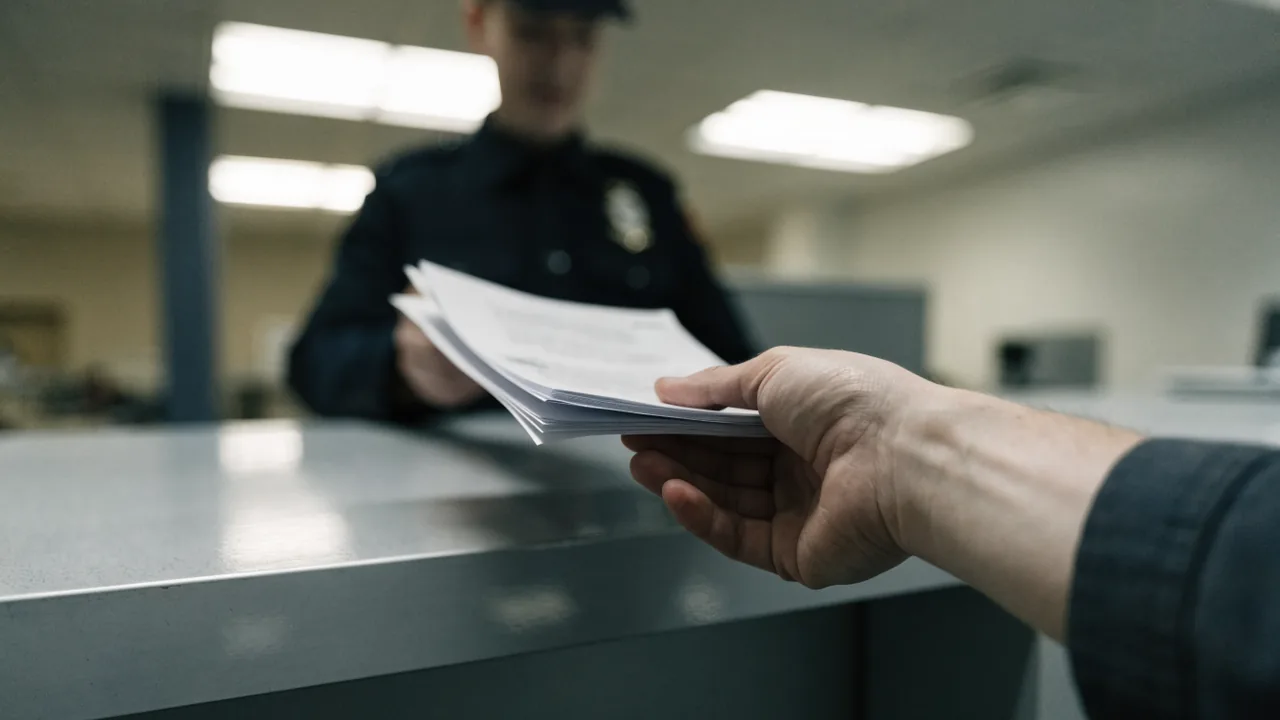
The CHP Victorville Area office covers everything else — the I-15, US-395, SR-18, plus unincorporated communities like Spring Valley Lake, Oak Hills, and Baldy Mesa’s county roads. CHP reports are requested with a CHP 190 form. Most reports take 7–14 days to become available; serious-injury investigations take longer. We pull reports for clients as a matter of course — it’s one of the first things handled after you call (760) 493-6108.
Local injury reporting and traffic data point at the same short list, year after year. Bear Valley Road at the I-15 is the worst of it: freeway ramps feeding the Mall of Victor Valley’s retail corridor, with red-light running as the signature violation. Palmdale Road at Amargosa produces T-bones from unprotected left turns across business driveways. Palmdale at the 395 is where pedestrians get hit.
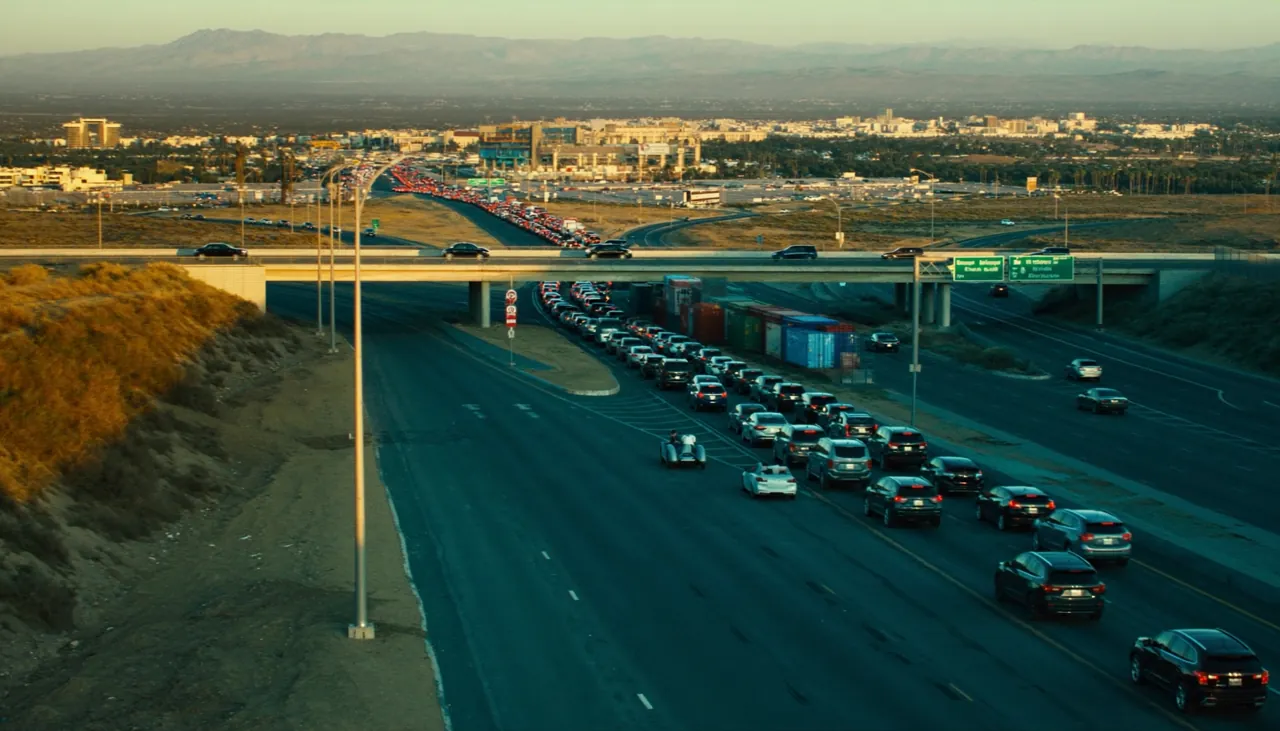
Then there are the corridors. Of the three that cross the city — the I-15, SR-18, and US-395 — the I-15 logs the most crashes, and the Cajon Pass stretch turns ordinary mistakes fatal: grades, wind, fog, and 18-wheelers all descending together. The 395 kills differently — a two-lane road where one impatient pass becomes a head-on. You can explore the raw collision data yourself through UC Berkeley’s Transportation Injury Mapping System.
Three clocks run at once. The big one: two years from the crash to file a personal-injury lawsuit, under California Code of Civil Procedure §335.1 — miss it and the strongest case in the county is worth nothing. Property damage gets three years. But two shorter clocks matter more than people think.

First: the DMV’s SR-1 report is required within 10 days for any crash with injury, death, or over $1,000 in damage — that’s virtually every real crash. Second: if a government entity is involved — a city truck, a Caltrans design issue, a Sheriff’s vehicle — the Government Code §911.2 claim deadline is just six months. Evidence has its own clock too: intersection camera footage gets overwritten in days, not months. The deadlines are why the free consultation exists — call (760) 493-6108 and know exactly where you stand.
California is a pure comparative negligence state: fault gets split in percentages, and your recovery is reduced by your share — but never erased. Found 20% at fault on a $100,000 case? You recover $80,000. Even a driver 90% at fault can recover 10%. That rule is exactly why insurers work so hard to pin percentage points on you — every point is money.
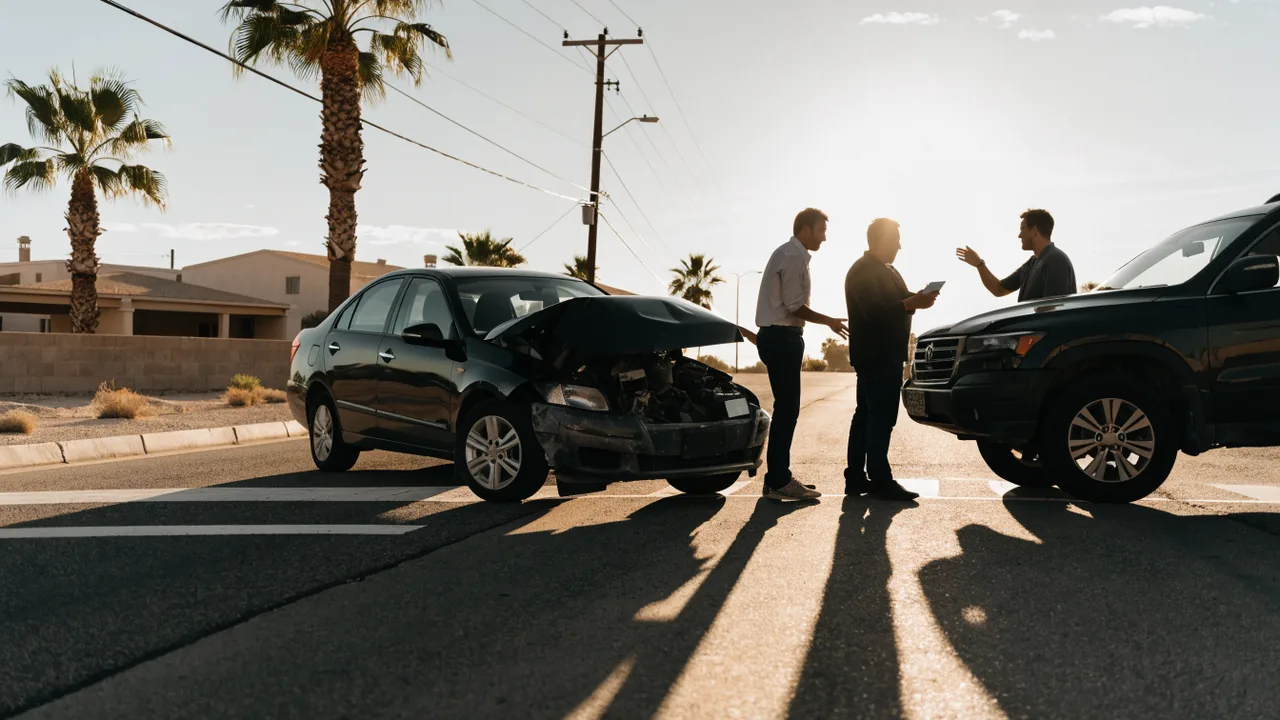
Desert crashes give them material: sun glare on an east-west arterial at 6am, wind gusts on the mesa, an unlit stretch of the 395. “The sun blinded you too” becomes an argument. The counter is evidence — scene photos, the report’s diagram, camera footage, an accident reconstruction when the stakes justify it. Fault percentages are negotiated, not decreed, and they move when someone pushes back with proof.
No honest attorney quotes a number at the scene. A real case value is built from documented pieces: every medical bill so far, the future treatment your doctors project, lost wages and lost earning capacity, vehicle damage, and non-economic damages — the pain, the lost sleep, the white-knuckle feeling every time you merge onto the 15 at the Pass. California puts no cap on non-economic damages in an ordinary crash case.

Two realities shape the final number. Comparative fault trims it by your percentage. And the available insurance caps it — you can’t collect what no policy covers, which is why identifying every policy (theirs, yours, an employer’s, an umbrella) is half the job. The demand goes in as a documented letter, not a wish; the anchor number matters, and it should be yours, not the adjuster’s opening offer. The math session is free: (760) 493-6108.

The at-fault insurer pays at the end, in one settlement — not bill by bill. In the meantime the stack gets managed: your health insurance keeps its normal role, MedPay coverage on your own auto policy (if you carry it) reimburses regardless of fault, and providers who treat crash patients often work on liens — they wait for the settlement in exchange for a claim on it.

Up here the stack is taller than most places. A serious wreck can mean a ground ambulance to Victor Valley Global and a helicopter down the hill and two hospitals’ worth of records and billing. Air transport alone can pass $50,000. Every one of those liens is negotiable at settlement — and negotiating them well is often worth as much to your net recovery as the settlement number itself.
Here is the defining medical fact of a serious High Desert crash: neither Victorville hospital is a trauma center. Victor Valley Global Medical Center and Desert Valley Hospital stabilize you — and then the trauma cases go down the Cajon Pass, to the county’s trauma center in Colton or to Loma Linda. Often by helicopter.
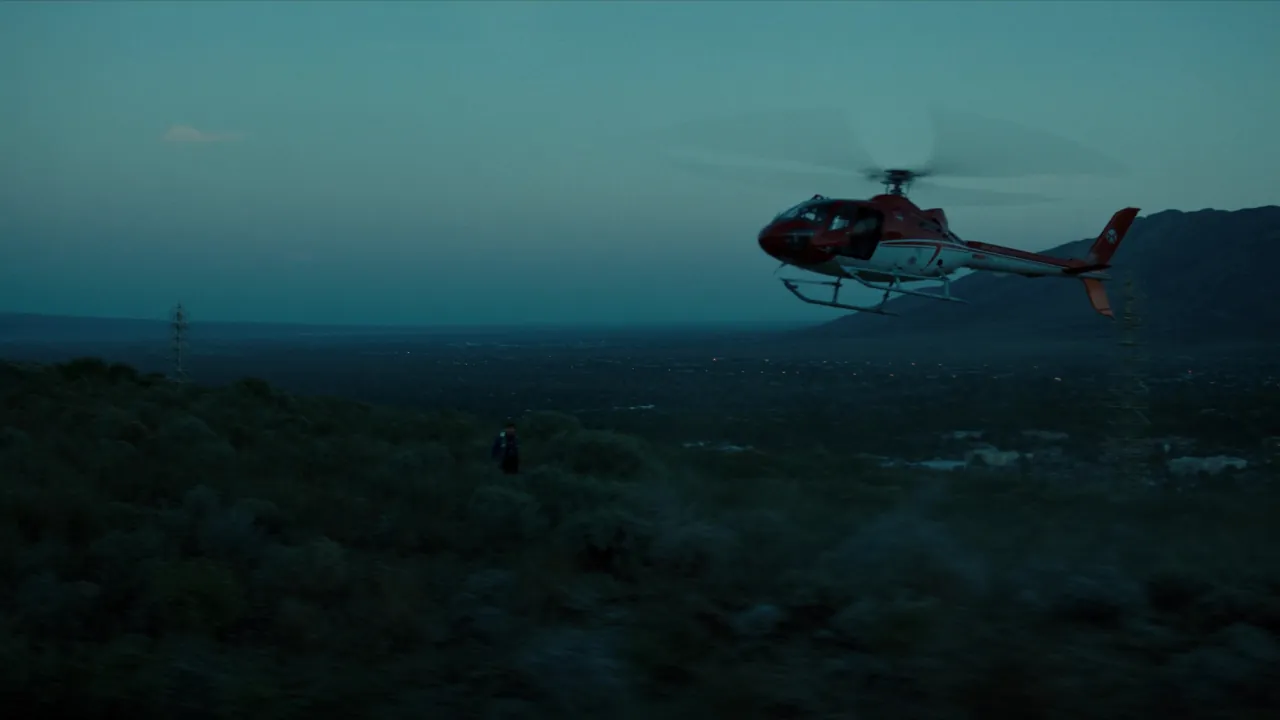
For your claim, a transfer changes everything: two hospital systems’ records to collect, a five-figure flight bill, family driving 40 miles each way to visit, follow-up appointments down the hill for months. Those aren’t inconveniences — they’re damages, and they get documented and claimed like everything else. This is the case type where local knowledge earns its keep; it’s the signature Victorville case, and it’s the one this practice is built around. Call (760) 493-6108 — the earlier the better on transfer cases.
The I-15 through Victorville is the freight funnel for the entire Las Vegas–Inland Empire corridor, with the Southern California Logistics Airport — 2,200 acres of the old George Air Force Base — generating its own truck traffic on the north end. When an 18-wheeler is involved, the case is a different animal: federal motor-carrier rules on driver hours and maintenance, a trucking company and its insurer on the other side, and onboard data (the truck’s “black box”) that must be preserved fast.
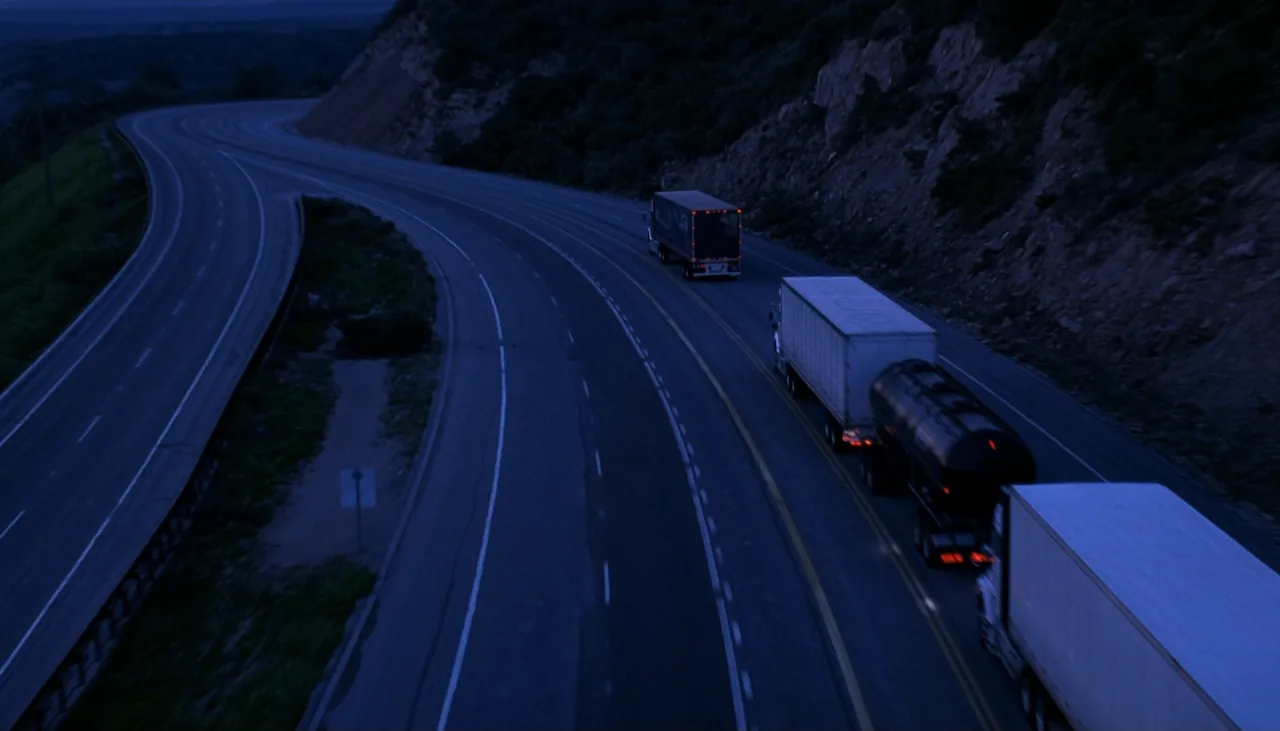
The Federal Motor Carrier Safety Administration publishes the rules carriers must follow; violations become the backbone of liability. Pass crashes add the physics — runaway grades, brake fade, wind — and often multiple vehicles with multiple insurers pointing at each other. Never handle a truck case alone; the carrier’s rapid-response team is sometimes at the scene before the tow truck.
No — not before you’ve talked to an attorney. You have no legal obligation to give the other driver’s insurer a recorded statement, and nothing good comes from one. Their adjuster’s questions are designed: “How are you feeling today?” (“Fine, thanks” — noted as no injury), “What’s your speed guess?” (any number becomes your admission), “Did you see him coming?” (glare on Palmdale Road becomes your comparative fault).

Be polite, take their claim number, and say the eleven words that end the game: “My attorney will be in touch — please direct everything to them.” Your own insurer is different — your policy requires cooperation — but even there, a short factual account beats speculation. Once we’re on the case, every call routes through this office and you never talk to an adjuster again.
Nothing up front, and nothing ever unless you win. Car accident cases run on contingency: the fee is a percentage of the recovery — commonly a third, sometimes more if a lawsuit gets deep — and it exists only if money is actually recovered. No retainer, no hourly billing, no invoice for calls.

The honest math: insurance-industry research has found represented claimants tend to net more even after the fee — representation changes the adjuster’s math. And the consultation itself is free either way, which means the only thing it costs to find out what your case is worth is one phone call: (760) 493-6108. If the honest answer is that you don’t need a lawyer, you’ll hear that too.
Bring what you have — nothing disqualifies you, and everything speeds up the answer. The useful stack: photos from the scene, the report number (or the report itself), both insurance cards, any ER or urgent-care paperwork, the other driver’s information, and the texts or voicemails the adjuster has already sent you.

Write your own account down first — one page, everything you remember, dated. Memory is evidence and it fades on a schedule. The consultation runs 20–30 minutes, by phone or in person, in English or Spanish, and ends with straight answers: is there a case, what is it roughly worth, what happens next. (760) 493-6108, any hour, any day.
The High Desert versions of the nightmare: a hit-and-run on the 395 at night, or a driver with no policy at all. Roughly one in six California drivers is uninsured — and the crash that finds you is disproportionately likely to involve one of them. The answer usually lives in your own policy: uninsured/underinsured motorist coverage (UM/UIM).

UM covers the fled and the uninsured (a hit-and-run counts as “uninsured” when there’s physical contact and a timely report). UIM fills the gap when their minimum policy can’t touch your hospital bills. California insurers must offer this coverage — declining it takes your signature. Check your declarations page tonight. And know that a UM/UIM claim is still an adversarial claim against your own insurer — it gets negotiated like any other, and it deserves the same representation.
The general rule is friendlier than people fear: compensation for physical injuries — medical costs, pain and suffering tied to the injury — is not federal taxable income, and California generally follows. The exceptions worth knowing: the lost-wage portion can be taxed like the wages it replaces, interest is taxed as interest, and punitive damages (the drunk-driver cases) are taxable.

Mechanics: you sign a release, the insurer issues the check to the attorney trust account, liens and the fee are paid from it with a written breakdown, and your net goes to you — typically two to six weeks after the release is signed. Every line of that breakdown is shown to you before anything is disbursed. For settlements with big numbers, a tax professional gets a seat at the table.
Honest ranges: a clear-fault case with finished treatment settles in 3–6 months. Disputed fault or serious injuries: 6–18 months. A filed lawsuit: one to two years or more. The pace-setter is medical, not legal — settling before your doctors know your future costs is the one mistake with no undo.

What stretches timelines: injuries still evolving, fault disputes (the classic I-15 chain reaction with three insurers), lowball insurers betting you’ll get tired, and unnegotiated liens. What compresses them: gap-free treatment, organized paperwork, and early evidence work. If suit gets filed, it’s at the Superior Court’s Victorville District, 14455 Civic Drive — and most cases still settle before a jury ever hears them.
Don’t take a marketing site’s word for any of it — check the sources. Statutes of limitation: the California Courts self-help center. The SR-1 rule: the California DMV. Crash data: TIMS at UC Berkeley and the NHTSA. Local agencies: the Sheriff’s Victorville station and the CHP Victorville Area. Courts: the Victorville District. Insurance rules: the California Department of Insurance. Taxes: the IRS.
Serving Victorville — Old Town, Eagle Ranch, Spring Valley Lake, Mountain View Acres, Baldy Mesa, West Bear Valley — and the whole High Desert.
ZIP codes 92392 · 92394 · 92395
Free consultation: (760) 493-6108
Se habla español · Available 24/7
Every part of the city crashes differently — the retail corridors, the lake, the mesa, the old Route 66 core. Find yours:
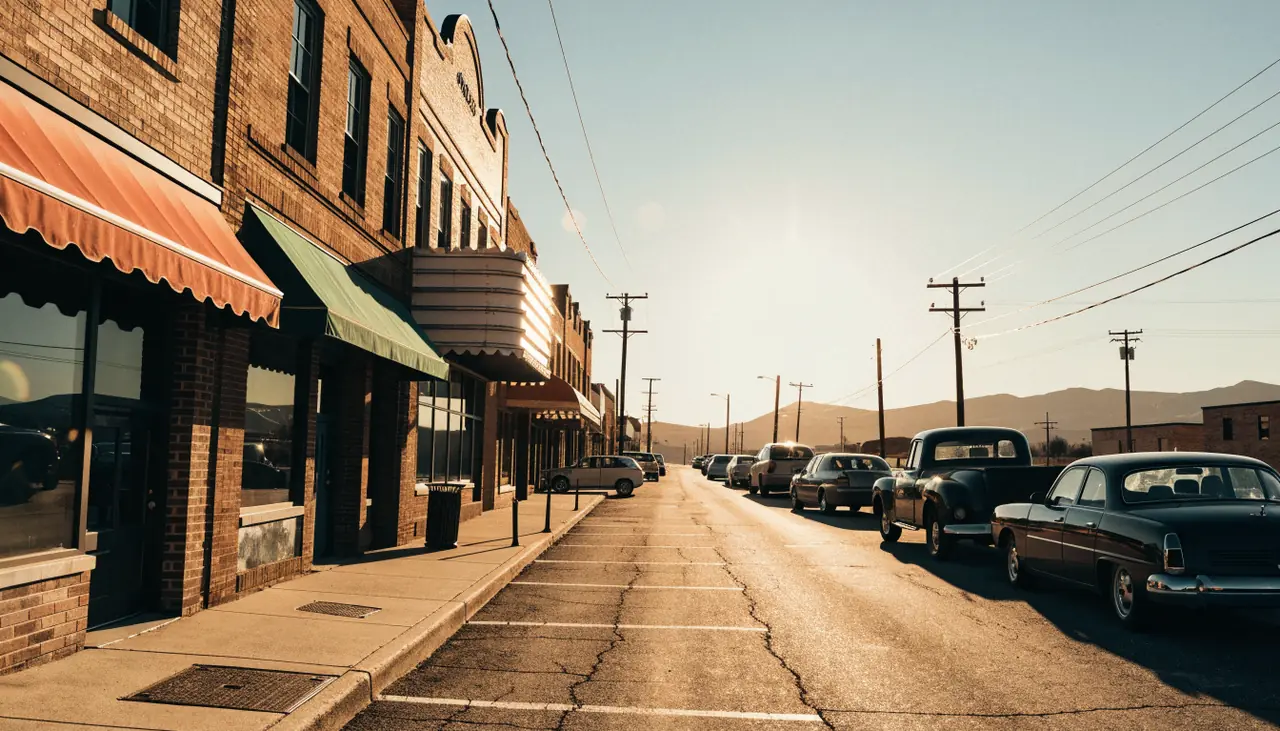
The historic core on Seventh and D Street — old Route 66 — where narrow streets, rail crossings, and pedestrian traffic meet.
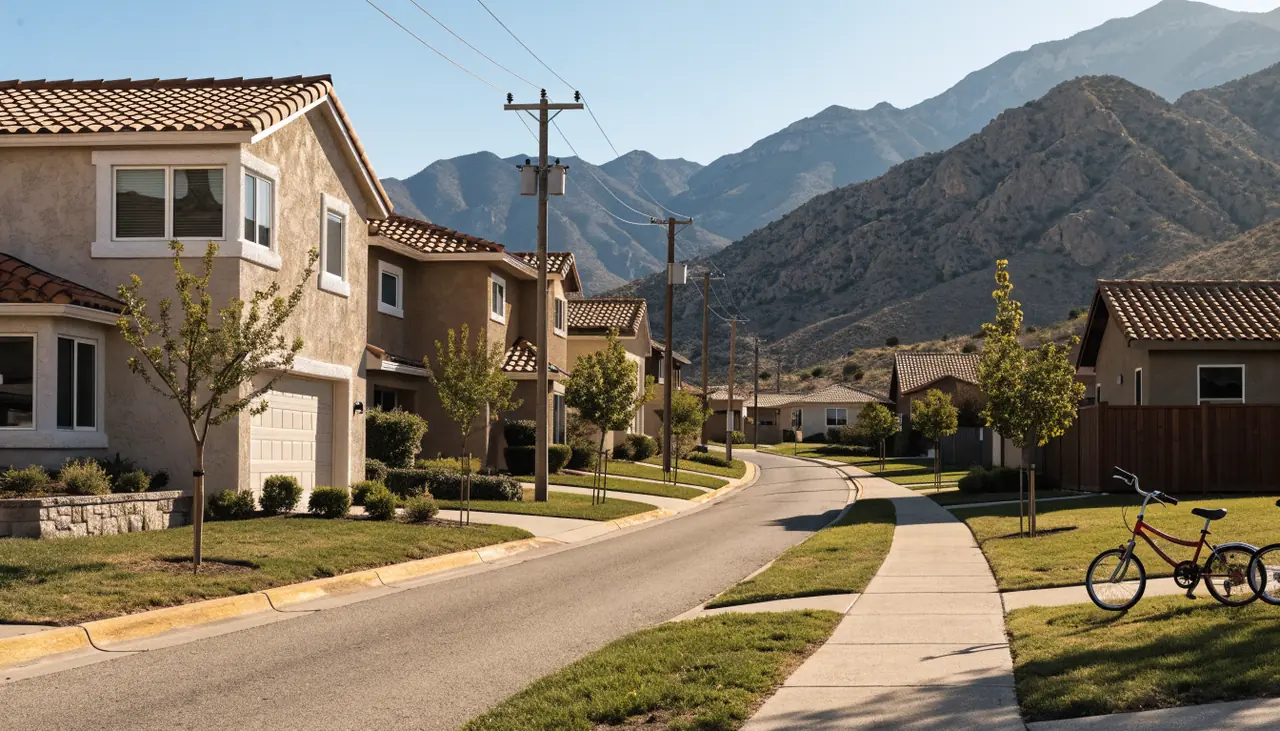
The planned community by the 15’s southern ramps — school-run traffic inside, freeway speed one signal away.
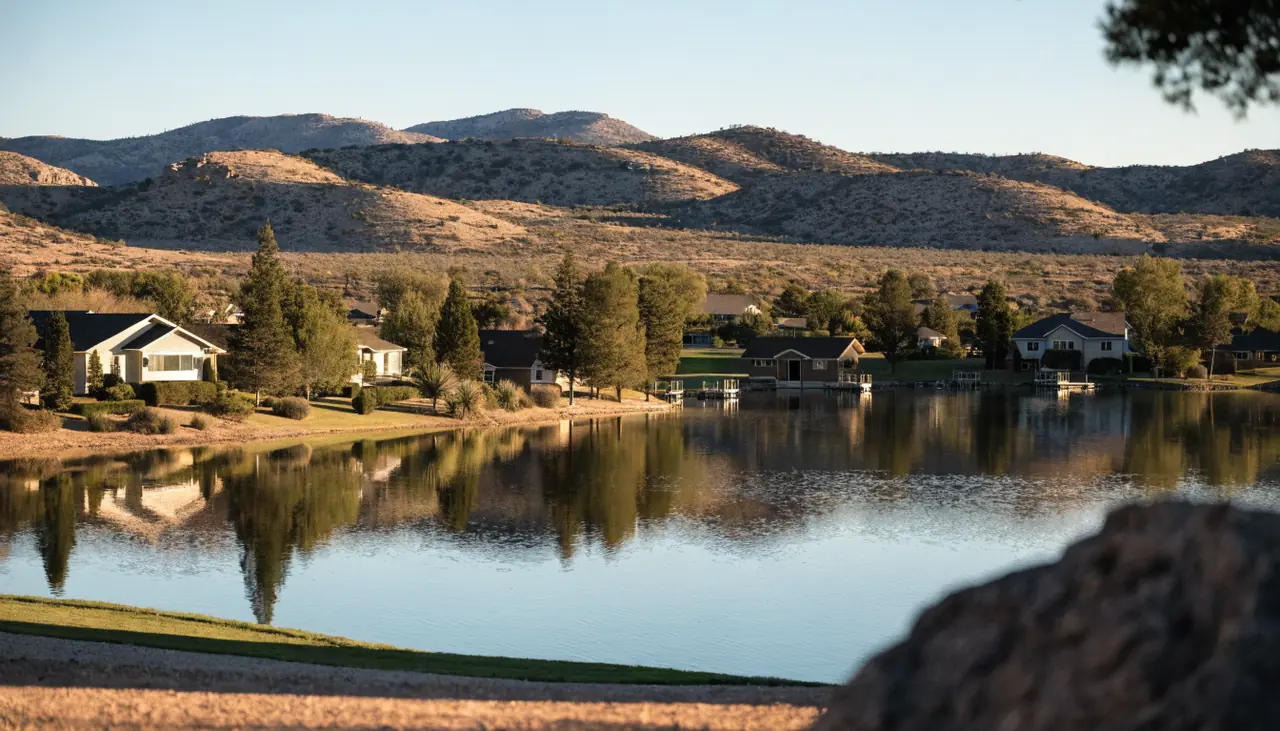
The lake community east of town — CHP jurisdiction, golf-cart streets inside, Bear Valley Road at the gate.
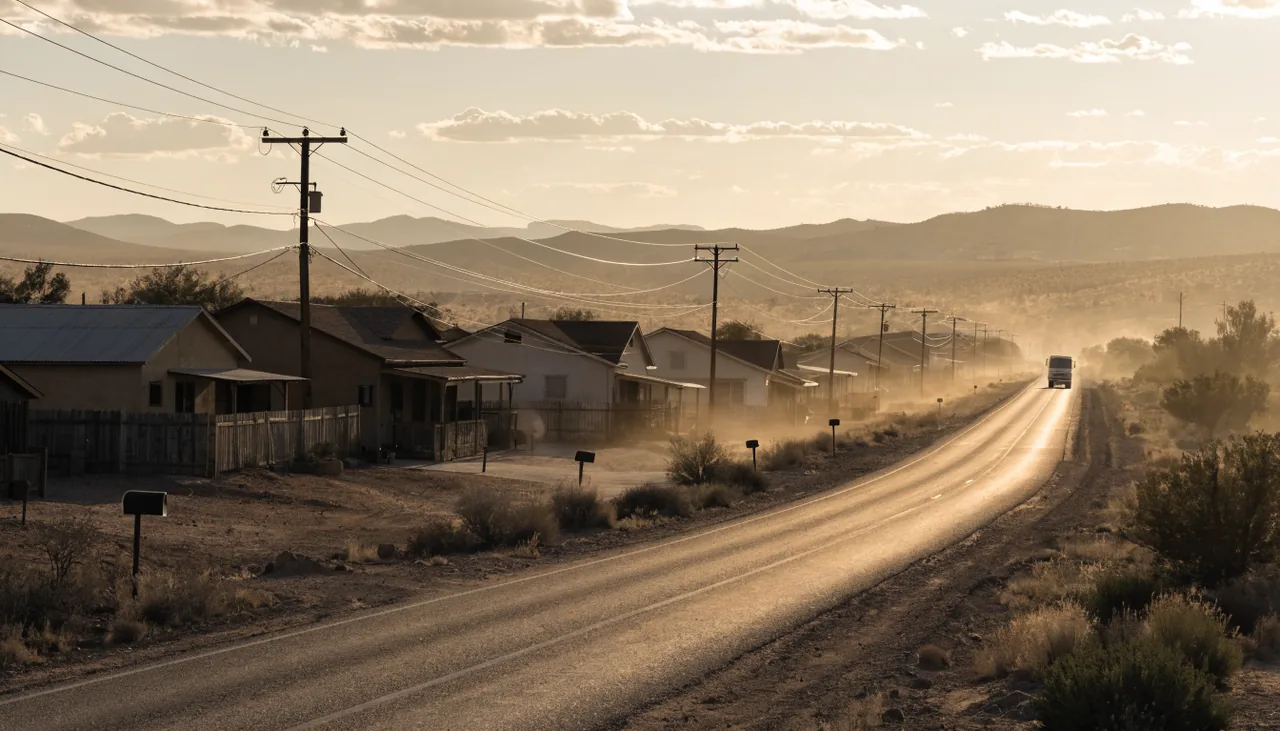
The unincorporated southwest, where neighborhood streets feed straight onto the 395’s two lanes.
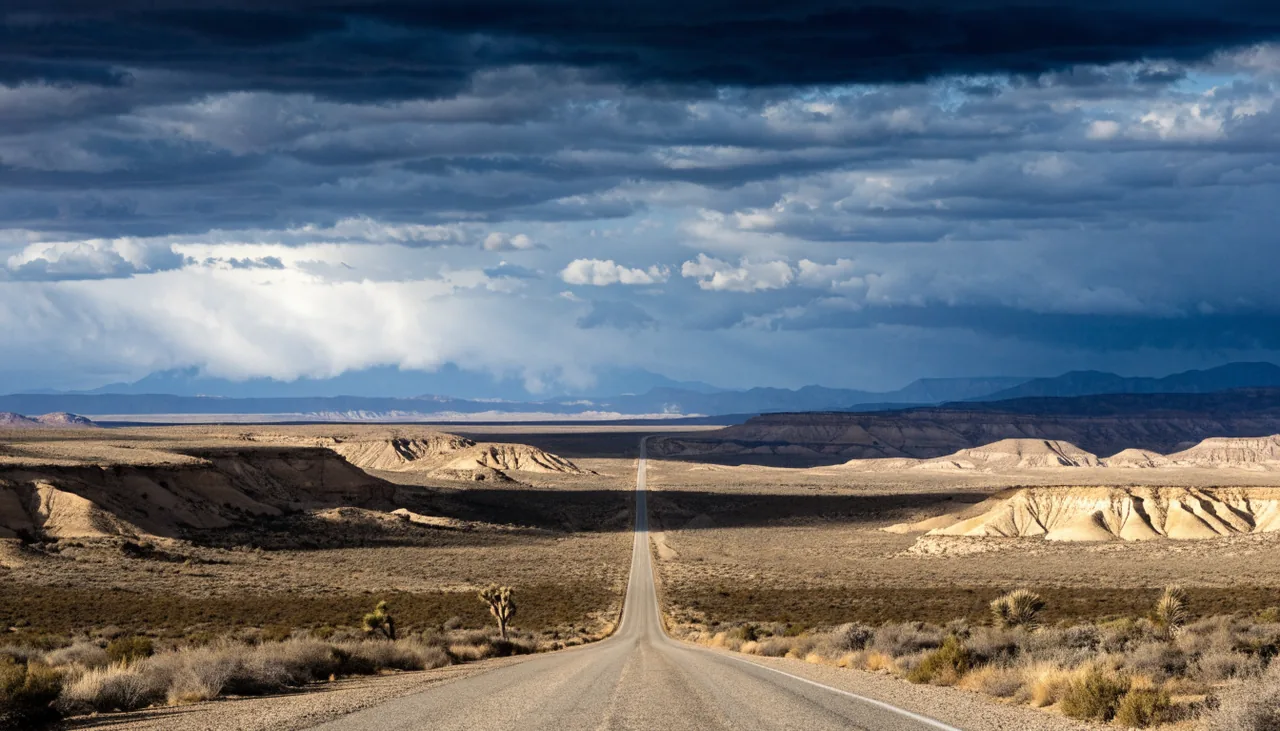
The western mesa toward Phelan — long straights, wind, dust, and speed that erases margins.
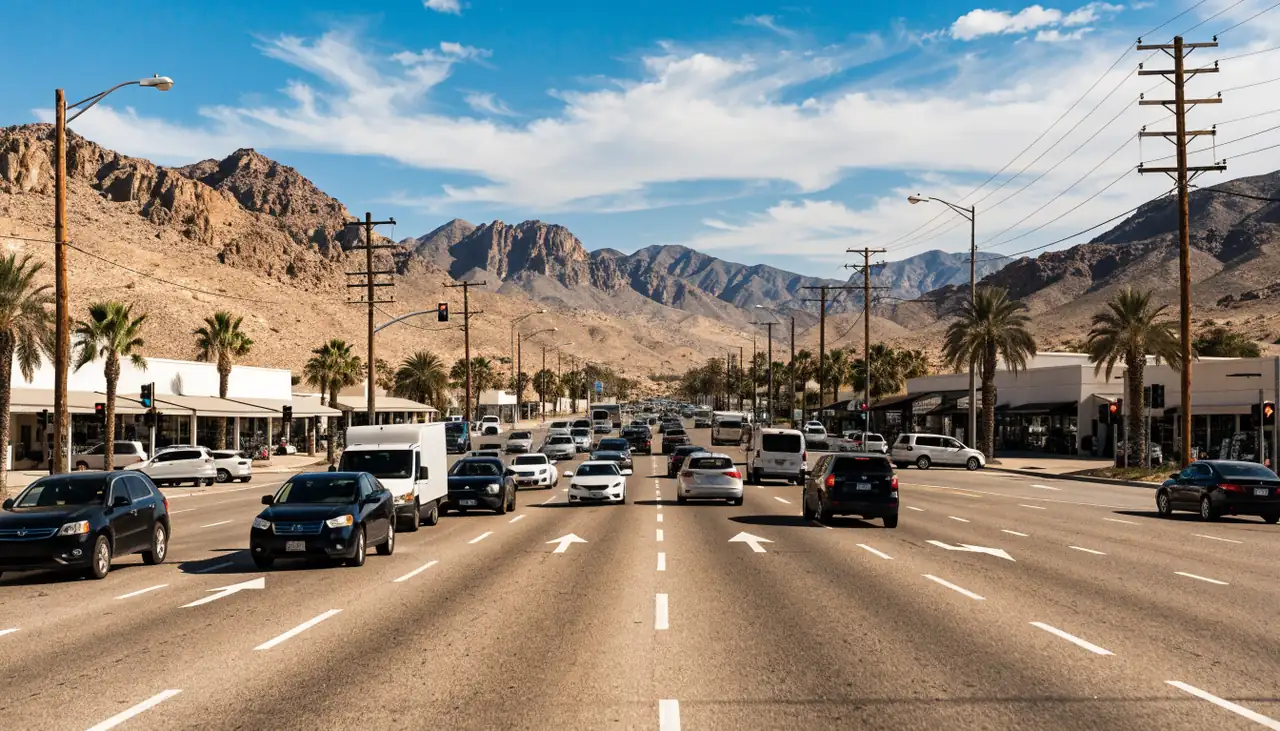
The retail spine west of the 15 — driveway after driveway, signal after signal, T-bone territory.
Nothing up front and nothing unless you win. Cases run on contingency — the fee is a percentage of the recovery and exists only if money is recovered for you. The consultation is free either way: (760) 493-6108.
It depends on documented damages: medical bills (past and projected), lost wages, vehicle damage, and non-economic harm like pain and lost sleep — adjusted for comparative fault and capped by available insurance. No honest attorney quotes a number before seeing the file; the free consultation gives you a real range.
Two years from the crash for most injury claims (CCP §335.1), three for property damage — but only six months if a government entity is involved, and the DMV SR-1 report is due within 10 days. Evidence disappears far faster than any deadline.
For a true no-injury fender-bender, maybe not — and we’ll tell you so for free. For anything with injuries, disputed fault, a truck, or an uninsured driver, representation typically changes the outcome more than the fee costs. The insurer has professionals; you should too.
Economic damages: medical bills, future treatment, lost wages, reduced earning capacity, vehicle and property damage, out-of-pocket costs — including transfer and travel costs when treatment is down the hill. Non-economic damages: pain, suffering, and lost quality of life, with no cap in an ordinary case.
No. You have no obligation to, and their questions are engineered to shrink your claim. Take the claim number, decline politely, and route everything through your attorney.
Usually not. About one in six California drivers is uninsured, which is exactly what UM/UIM coverage on your own policy is for — it covers hit-and-runs too when there’s contact and a prompt report. Check your declarations page, then call.
California law (Prop 103 rules) bars insurers from raising your rates for claims where you were not principally at fault — including UM claims from a crash someone else caused. Ask us about your specific situation.
California’s pure comparative negligence means your recovery is reduced by your percentage of fault — never eliminated. Even significant shared fault leaves a claim worth pursuing, which is why insurers fight so hard over percentage points.
City streets: the Victorville Police Department — the Sheriff’s contract station at 14200 Amargosa Road. The I-15, US-395, SR-18, and unincorporated areas like Spring Valley Lake and Oak Hills: the CHP Victorville Area office. We pull the report for every client.
Neither Victorville hospital is a trauma center, so serious injuries get stabilized locally and transferred down the hill — often by air — to the county trauma center in Colton or to Loma Linda. The transfer, the flight bill, and the two hospital systems all become part of your claim.
From the agency that wrote it: the Sheriff’s Victorville station for city-street crashes, or the CHP Victorville office (form CHP 190) for freeway and county-road crashes. Expect 7–14 days for routine reports. We handle this for clients as step one.
San Bernardino County Superior Court, Victorville District — 14455 Civic Drive, right in town. Most cases settle without a lawsuit, but when filing is the right move, it happens locally.
Often, yes. Pass crashes tend to involve trucks, chain reactions, and multiple insurers, and the CHP investigates. Evidence work — black-box data, carrier records, reconstruction — matters more there than anywhere else in the High Desert.
The 395’s two-lane passing zones produce head-ons and near-head-ons with catastrophic injuries. These cases turn on lane-position evidence and witness accounts, and they frequently involve commercial vehicles headed to Adelanto or SCLA. Report goes through the CHP.
Yes. Rideshare cases layer company insurance (up to $1M when a ride is active) over the driver’s personal policy, and the coverage question depends on exactly what the app showed at the moment of the crash. Passengers, other drivers, and pedestrians all have claims.
Same week — ideally same day. Camera footage at Bear Valley intersections gets overwritten in days, skid marks fade, and witnesses move. Early calls preserve evidence that late calls can’t recover. (760) 493-6108, 24/7.
Yes — the whole High Desert: Apple Valley, Hesperia, Adelanto, Oak Hills, Phelan, Helendale/Silver Lakes, and the Cajon Pass corridor. If it’s up the hill, it’s local to us.
One free call answers the three questions that matter: do you have a case, what is it worth, and what should you do next. No pressure, no obligation — and never a fee unless we win.
Call (760) 493-6108Available 24/7 · Free consultation · Se habla español